

It’s not rocket science. Anyone can understand that solar and wind are less costly than energy from fossil fuels. If the rest of the world can switch to renewable energy, why can’t we? I think you know the answer to that question.
The US is falling way behind and we are suffering because of it. We are paying the high prices of oil and gas to heat our homes and drive our cars. We are also paying a high price in impacts to our health caused by air pollution from fossil fuels. And need I mention fossil fuel’s massive contribution to climate crisis, which causes destructive and costly weather events?
Any nation that doesn’t shift to renewable energy will be stuck with an economy running on expensive energy. And since that is us, we are being left in the dust as China and many other countries are going full steam ahead with renewable energy.
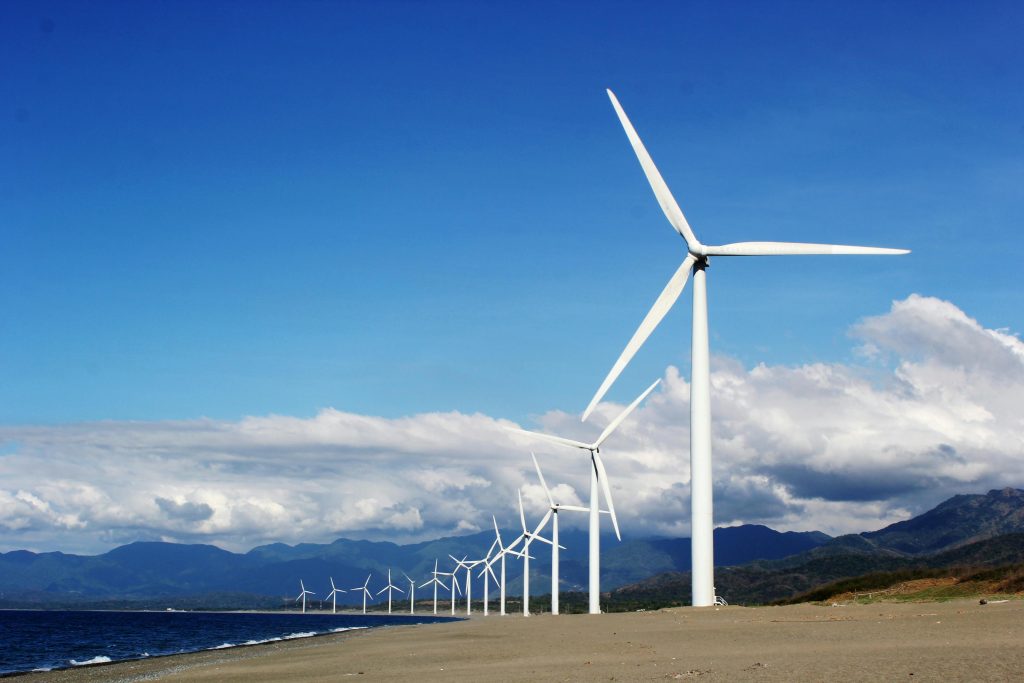
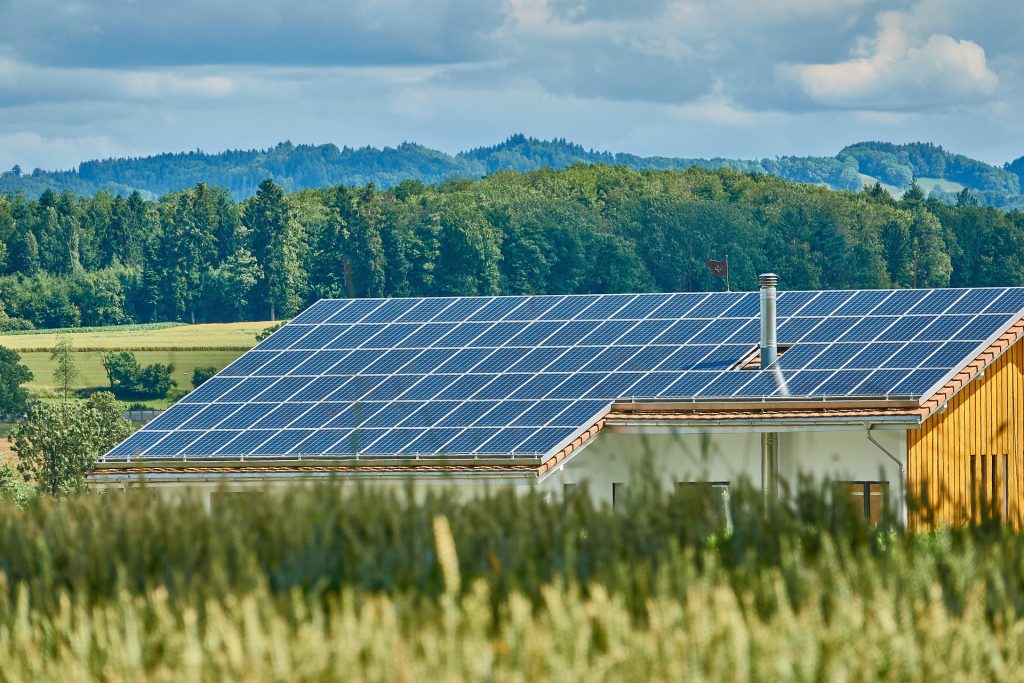
China is building offshore wind turbines designed to withstand typhoons that often batter their coast. India’s railways are electrifying rapidly enough to reach their 2030 net-zero targets five years ahead of schedule. Pakistan added enough solar to supply approximately half their national electric grid last year. Three to four million Europeans have installed balcony solar that plugs into a standard wall socket and supplies 20%-25% of their power. No permit was needed and the panels are readily available. Of course, that’s illegal in the US except in Utah.

We are the only country that’s left the Paris Climate Accords. The rest of the world understands how urgent it is to bring down greenhouse gases. Us, not so much. We’d rather maintain our current lifestyles. (I won’t mention the political landscape as the other reason we are stuck in the energy dark ages.)
| Check out these news items from Yale Climate Connections newsletter: As President Donald Trump’s administration uses every available tool to halt the growth of clean technology in the U.S., other countries around the world are investing in wind, solar, and EVs. The European Union produced a record amount of renewable energy in the second quarter of 2025, according to a new release from Eurostat. Fifty-four percent of electricity generated in the EU came from renewable sources, up from 52.7% in the same period of 2024. In June, solar for the first time exceeded nuclear as the leading electricity source in the region. |
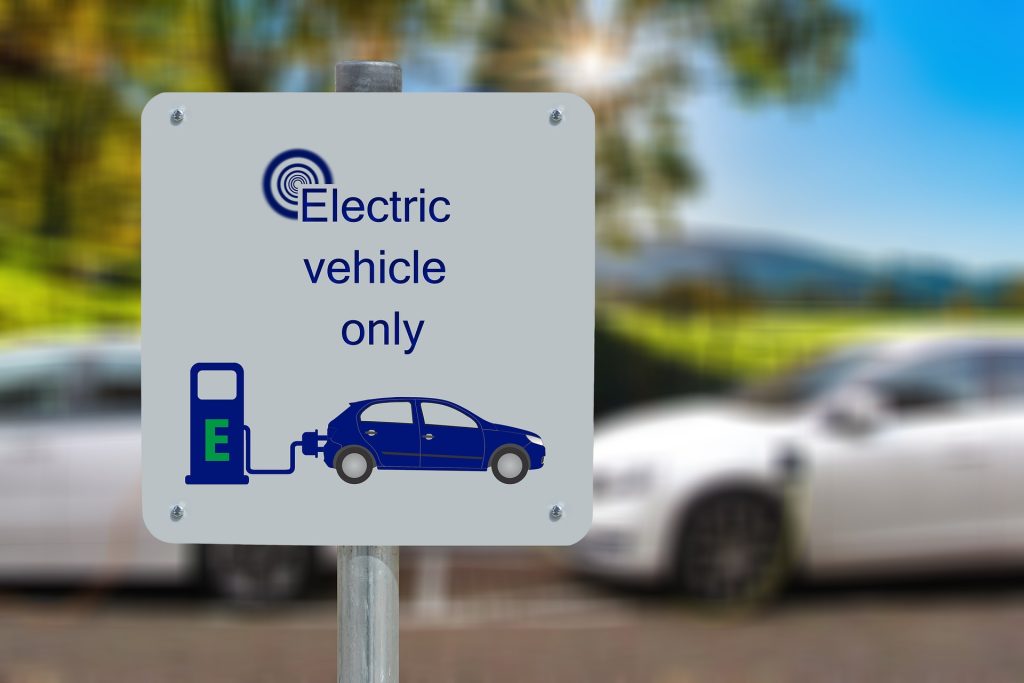
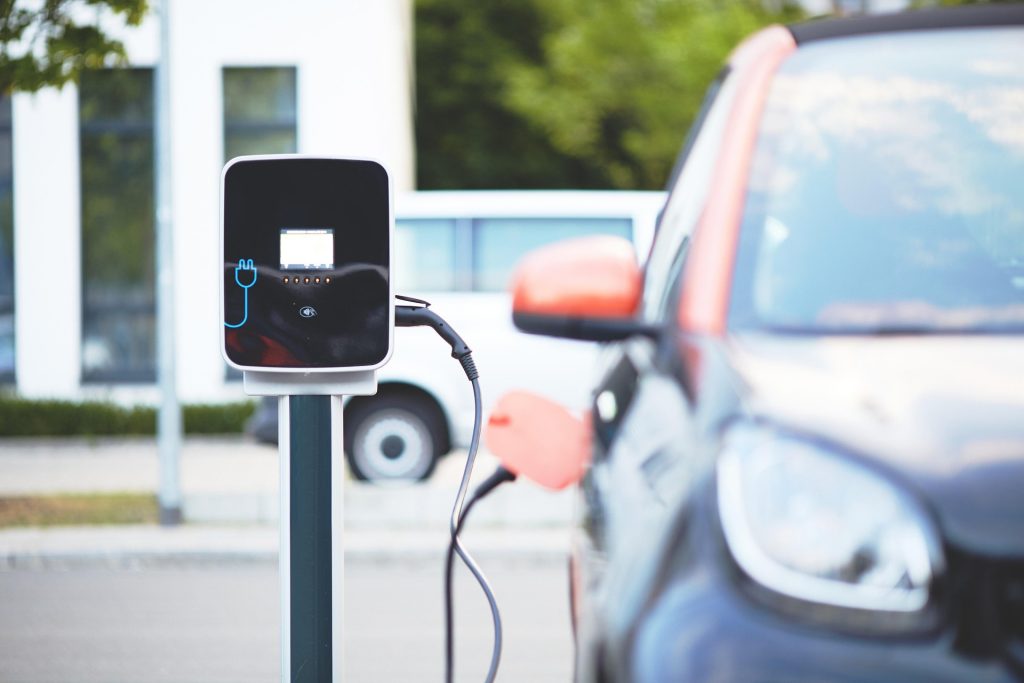
| China is also investing heavily in clean tech, including electric vehicles, with 60% of car sales in the country this year expected to be EVs. Chinese-made EVs are getting popular in many countries, with sales rising in Brazil, Thailand, and Mexico. |
| The United States has the world’s second-largest car market, but EVs account for less than 10% of the country’s new auto sales. That can give U.S. residents the mistaken impression that EVs are unpopular. In fact, more than one in five new passenger cars sold around the world in 2024 were electric. |

Do we want to contribute to worsening climate crisis? Do we really want to continue paying high prices for fossil fuels? Do we want to be the only country in the world still stuck in the energy dark ages? Do we want to fall behind in leadership and economy? Think about it.
And also think about how important it is for you to take immediate steps to reduce your energy use dramatically. Just switching to renewable energy won’t do it all. In addition, we all need to make lifestyle changes. Business as usual cannot continue if we want a livable planet.
The situation is far more complex than the author makes it out to be, with all due respect.
First of all, wind & solar only serve the electrical power sector, which is only 20-25% of the world economy. At most another 20-25% of all energy uses can economically and pragmatically converted to either electricity or batteries charged by electricity. And guess what! There are other negative externalities in the wings. Besides, that conversion to electricity will take decades.
Second, why are the prices of wind & solar falling? Both depend on mining in Low Income Countries (LICs), in ecologically, economically, and socially fragile places. They employ child labor and grossly underpaid labor under wretched conditions with little or no safety or environmental oversight. Furthermore, both the mines and the ore refineries are largely controlled by China. China is known to manipulate prices. China is also known to engage in longterm strategy, a department where the US could stand to take a lesson. To the extent the High Income Countries (HICs) develop a dependency on wind and solar, they will be at China’s mercy to purchase and install a second generation of equipment.
Third, any minerals that are not at or very close to the surface are mined using diesel equipment. Per unit of energy released, batteries are much heavier than diesel. For the giant, heavy mining machines, the batteries to electrify them could far outweigh the machines themselves. And how would those batteries be charged? You would need a giant solar or wind generation plant at each mining site. And as the surface and close-to-surface minerals get depleted, the mines have to become deeper and more widespread, requiring more heavy equipment, and causing greater ecological damage.
Fourth, wind and solar installations require a far larger area footprint than a natural gas or nuclear power generation plant that generates the same amount of electricity. This means appropriating either farmland or Nature for the purpose. You can find claims online about growing crops or other plants under the solar panels and wind turbines. That may be true, but what are the constraints on what can be grown there? What is the effect on wildlife, especially with brutally noisy wind turbines? Unless placed offshore, which has its own ecological problems, land based solar and wind generation plants can be likened to dams in their appropriation of landscape.
Fifth, both wind and solar generation plants require massive amounts of concrete and steel for installation. Concrete and steel manufacturing emits CO2 independently of the energy source used for the heat to process them, just because of the chemistry of their production. The cement in concrete accounts for 8-9% of global CO2 emissions. Furthermore, roads must be built to service the plants, disrupting more landscape, and paved with asphalt which comes from oil. Unless the generation plant is co-located with its dedicated client, as in a wind farm solely serving a data center, it goes on the grid. That necessitates expansion of grid transmission infrastructure, which in turn also requires service roads. Ever notice large swaths of deforestation to accommodate transmission lines and towers? We’re talking more of those.
Sixth, accommodating intermittent energy sources on the grid is very tricky. The grid transmits electricity using alternating current. The current has to alternate at a fixed frequency. If it diverges too far, where too far is less than a percentage point, there is risk of an explosion. Failsafe engineering prevents explosion by shutting down, that is, causing a blackout. That roughly describes Spain’s 18 hour blackout in May 2025, which shut down not only all of Spain, but also Portugal. Since sunny Spain produces more solar electrictal power than it uses at peak sunshine, it exports to France and Morocco, so those countries were also affected by the blackout. Some parts of Spain took many days to come back online.
When a plant generates more electricity than is in demand in the moment, the plant is *charged* for the excess, impacting profits for the utility. In theory you would expect the plant to redirect the excess into energy storage, but in fact it is usually just switched off and lost. Why? Because there are only two commercially viable ways of storing the excess, both with limitations. The first is pumped hydro. Pumped hydro only works when you have two hydroelectric dams sequentially on the same river. Excess solar electricity is used to pump water from the lower dam to the upper dam, where it can later be released to generate electricity when the sun isn’t shining. This method is limited by geography. Not all solar generation plants can be placed in proximity to a pumped hydro setup, and geography conducive to pumped hydro is relatively rare. Besides, are you in favor of dams? Only if you hate salmon and all the wildlife that depends on it. The second type of storage is batteries. Battery storage at industrial scale is currently not economical, and lacking incentive for a utility to build it, so it is very scarce.
Because intermittent energy on a grid must be balanced by either baseload or dispatchable energy in order to avoid an instability that causes a blackout, grids continue to use less desirable power generators. Hydro or nuclear provide baseload power, and dispatchable power is typically natural gas, less often coal, and still less frequently, biofuel.
Baseload power comes from generators whose output is not easily or quickly tuned. While nuclear and hydro can be adjusted somewhat, there is considerable inertia in the system that results in lag. They cannot be used to dynamically offset fluctuations in wind and sunshine, or in demand from customers.
Dispatchable power can be tuned on a dime, perfectly balancing intermittency as well as demand ebbs and flows. Natural gas and coal can easily be turned up or down, but only from what is known as a warm start. A cold start means it’s been turned off entirely, but then it may take hours to come back up, making it no longer dispatchable. Warm start means that it keeps running on low even when it’s not needed. Think about a furnace pilot light.
Biofuels can function similarly to natural gas and coal. They are renewable, and theoretically zero emissions because the CO2 they emit is carbon they just sequestered while they grew. The main problem with biofuels is that they may or may not be grown and harvested sustainably.
Sun, wind, and rivers are renewable, but solar PV panels, wind turbines, and hydroelectric dams are not. Did you know that dams emit CO2? When they are flooded, all the plant and wildlife within their reach is killed. It rots at the bottom of the reservoir, emitting CO2 as it rots, for centuries.
There is even more complexity than I’ve outlined here, but even this far you can see that the outlook for solar and wind is far more complex than the author has indicated.
Whether your main concern about energy is its impact on the climate or its inevitable depletion, your best bet is to learn how to use less, and conserve.