

One in four Americans agree that we have a healthcare crisis. The others either are not aware of it or have not been affected by it – yet.
In a 2025 Time Magazine article, Uché Blackstock, MD and the CEO of Advancing Health Equity, stated, America is entering 2026 with a health system that is more politically exposed, more unequal, and more unstable than at any time in recent memory. In 2025, insurance premiums rose, prescription drug prices increased, Medicaid coverage narrowed, and surprise medical bills continued to wipe out savings.

Medical debt
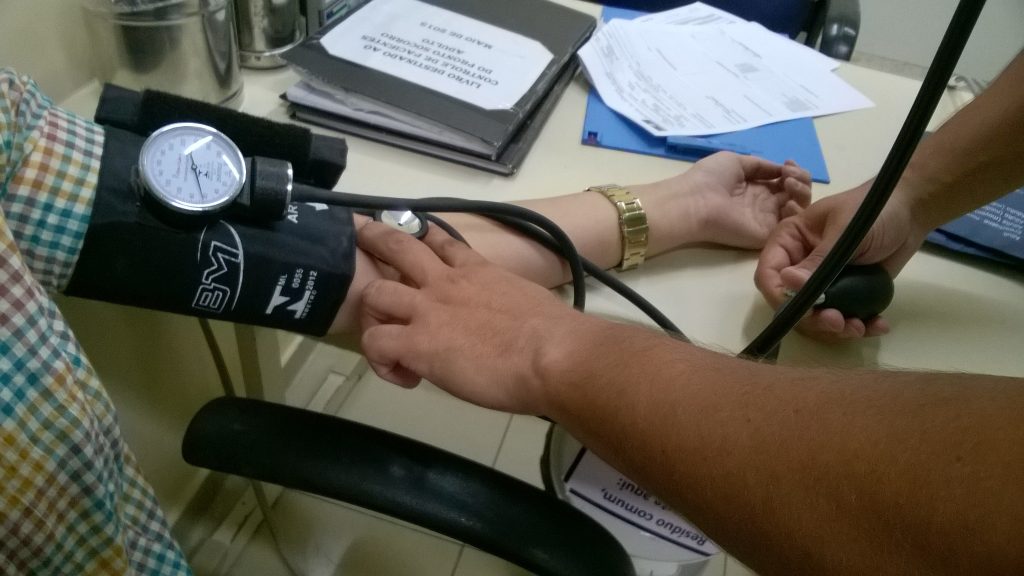
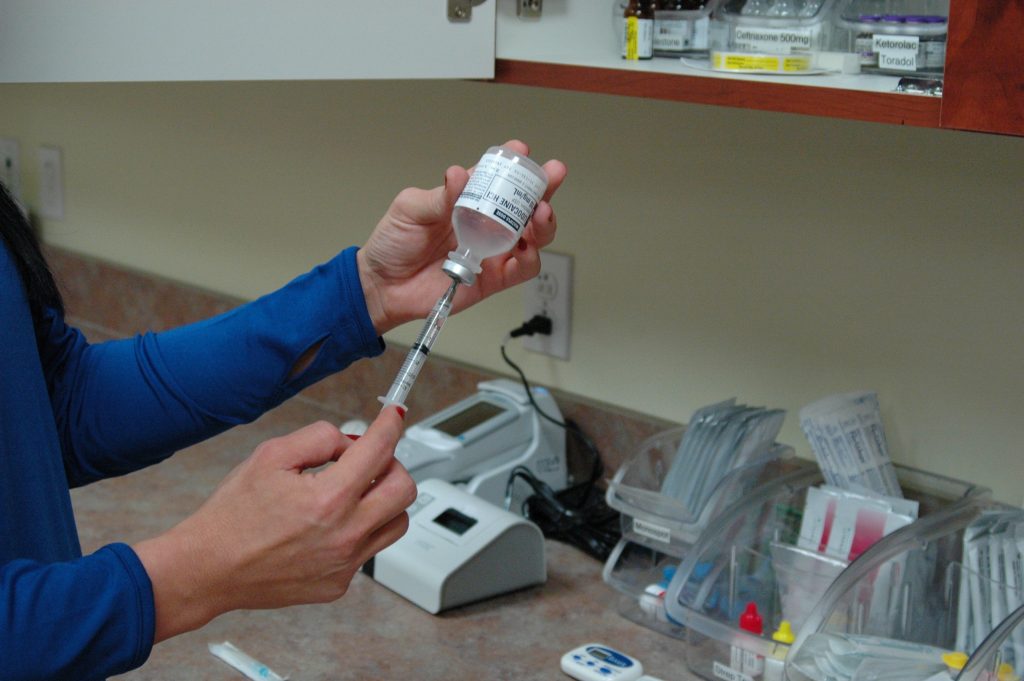
The United States spends more on healthcare than any other high-income nation. Yet about 29 million American adults are unable to pay for needed medical care.
In 2025, about 41% of Americans had medical debt or were struggling with medical bills. That translates to more than 140 million people. Medical debt affects the sickest and most disadvantaged populations, including racial and ethnic minorities and people without insurance coverage. Millions of Americans are losing Medicaid and Affordable Care Act coverage following passage of the “Big Beautiful Bill”, which will only compound the medical debt crisis.
According to a December 2025 Gallup poll, eight in ten Democrats and sixty-four percent of Republicans said the healthcare system is in crisis or has major problems. Of those surveyed, twenty-nine percent said high costs were the most urgent problem. Over one-third skipped or postponed health care because of the cost. One in five said their health got worse as a result.

Physician shortage
There is a severe shortage of primary care physicians, which is projected to reach 48,000 primary care physicians by 2034. This shortage is made worse by an aging population, increasing prevalence of chronic disease, and more need for primary care. The overall physician shortage could reach 86,000 by 2036. There is already an alarming number of medical care deserts, especially for maternity care.
Canada reported a 750% increase in applications from U.S. doctors seeking licensure. In the US, 27% of practices had a physician retire or quit early last year due to burnout, while 35% of physicians are actively considering an exit.
Another factor contributing to the shortage is increased professional liability costs due to nuclear lawsuit verdicts (a jury award that far exceeds what might normally be expected for a malpractice case).
Effects on Medicare & Medicaid
The Centers for Medicare and Medicaid Services recently reported that national health expenditures rose by 8.1% in 2024 and are expected to grow another 7.1% in 2025. But the U.S. economy is projected to expand at just 4.3%. At this rate, healthcare spending will be 20.3% of U.S. GDP by 2033, up from 17.6% in 2023.
Healthcare costs could trigger a deep recession, deep cuts to Medicare and Social Security, or federally imposed wage and price controls. Healthcare may be rationed. Delays would grow. The medical mindset could shift from what’s best for the patient to what can we afford?
Yes, a healthcare crisis is on our doorstep, and climate crisis is making the problem worse. That’s why I proposed a Transition Town Greater Media Health Group to educate our community on how to increase resistance to disease, reduce stress, and improve health through the many holistic health modalities now available. Contact us to learn more and find out how you can participate.
AI was not used in the creation of this blog.
Leave a Reply