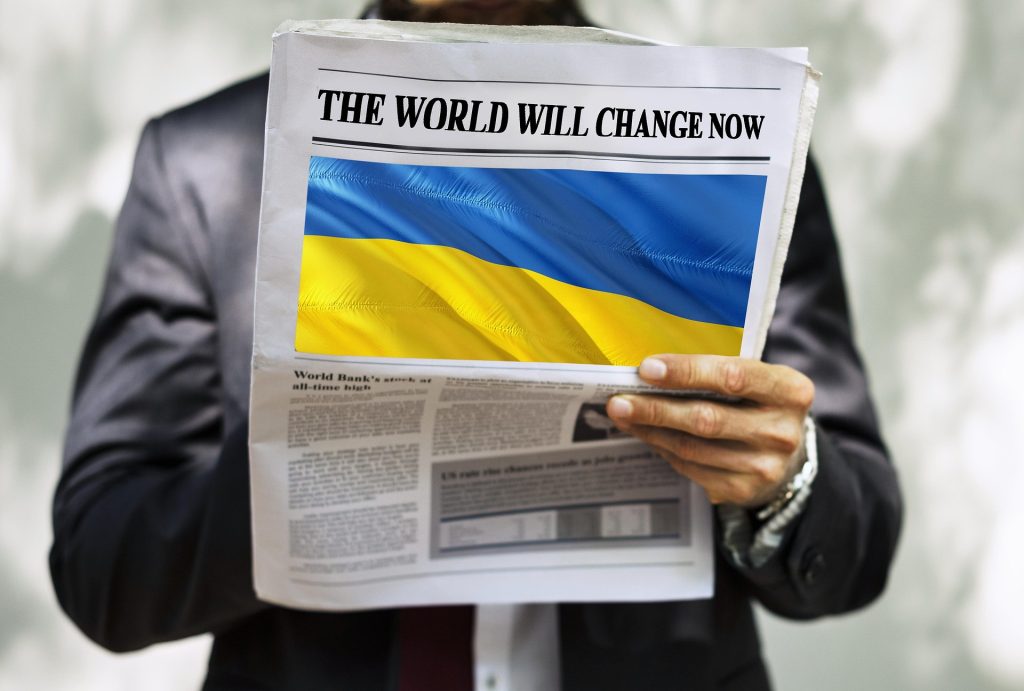
Did you know climate crisis is an economic disaster? Climate crisis is causing economic and financial instability not just in our country, but all over the world. Many countries want to protect their economies, but are limited in their ability to invest in adaptation and resilience. In contrast, the US has the monetary resources to address climate crisis, but lacks the political will. Instead, our government is actively denying the problem and halting renewable energy projects. As a result, we will experience a huge economic burden.
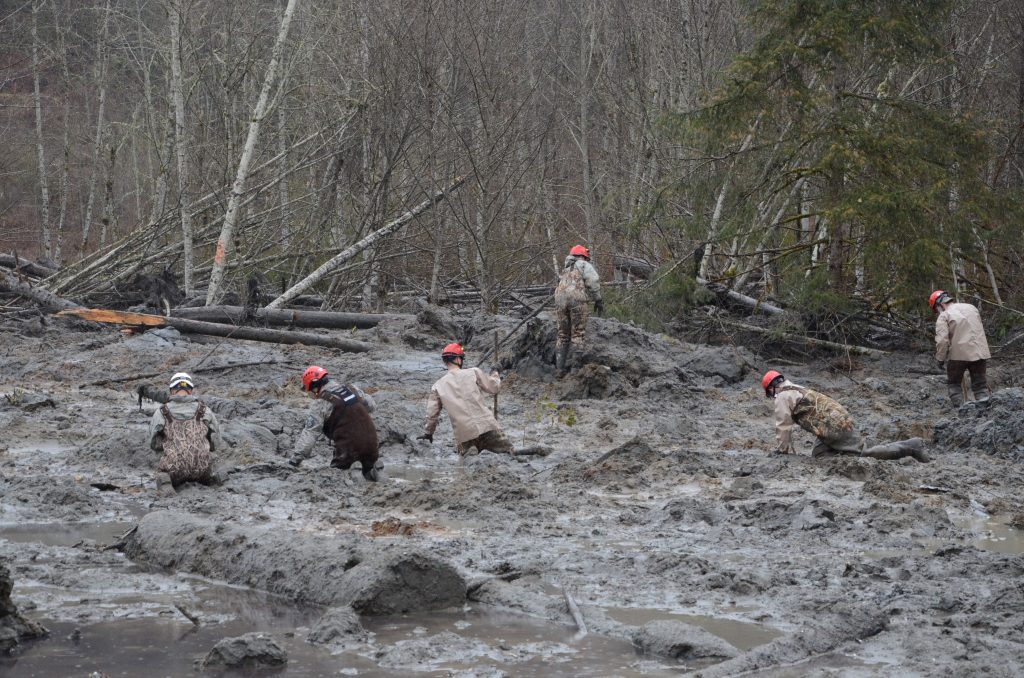
Extreme weather events like floods, windstorms, hailstorms, wildfires, droughts, mudslides, tornadoes, hurricanes, and heat waves are growing more frequent and intense due to climate destabilization. Insurance premiums are rising, payouts are shrinking, and insurance providers say some properties are too risky to insure. Millions of policyholders received nonrenewal notices in recent years, leaving many without any protection.
If your home is damaged by extreme weather, how will you recover if your property isn’t insured?
In 2018, the Fourth National Climate Assessment warned that if we do not mitigate greenhouse gas emissions and start to adapt to the changing climate, the U.S. economy will be seriously disrupted. Warmer temperatures, sea level rise and extreme weather will damage property and critical infrastructure, impact human health and productivity, and negatively affect sectors such as agriculture, forestry, fisheries and tourism. Energy demand will increase as power generation becomes less reliable, and water supplies will be stressed. U.S. business will be affected through disruption in trade and supply chains.
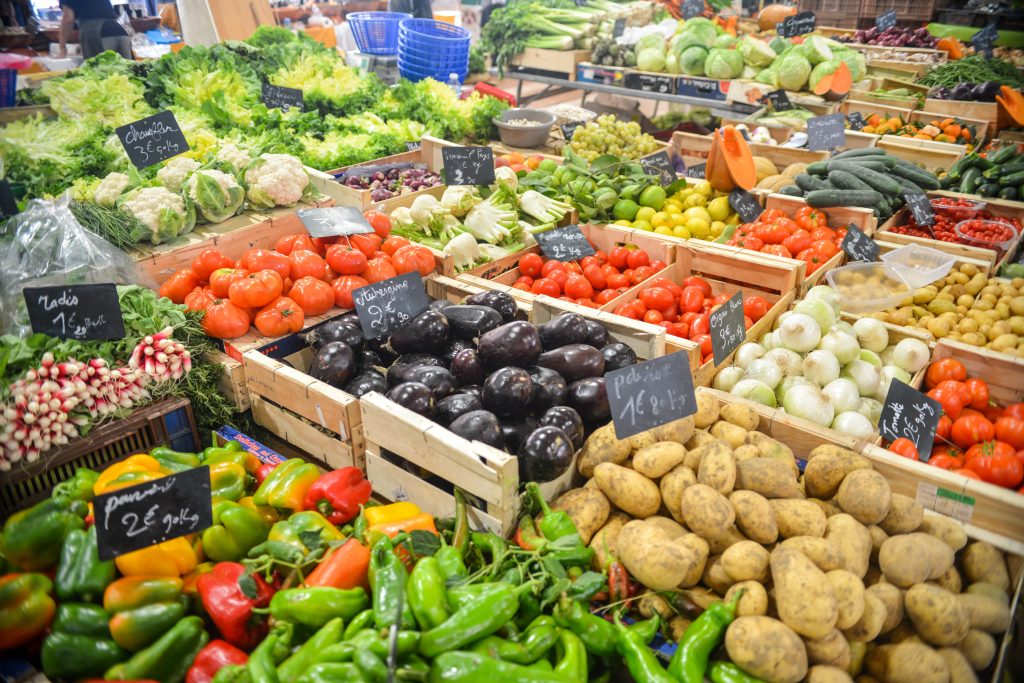
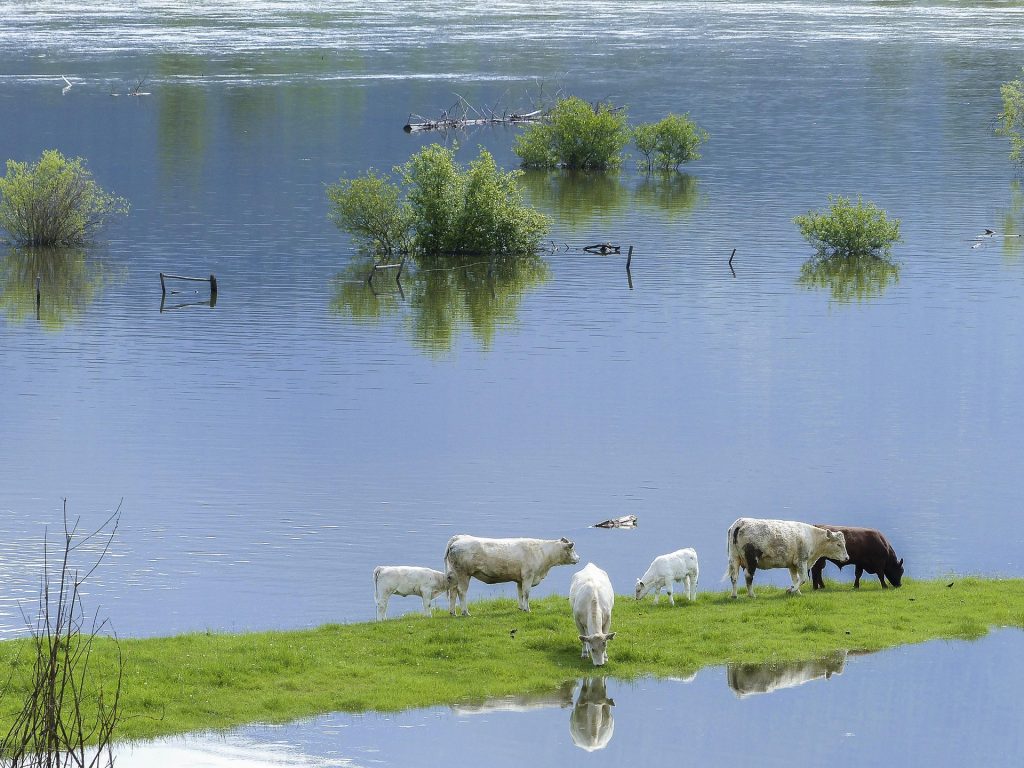
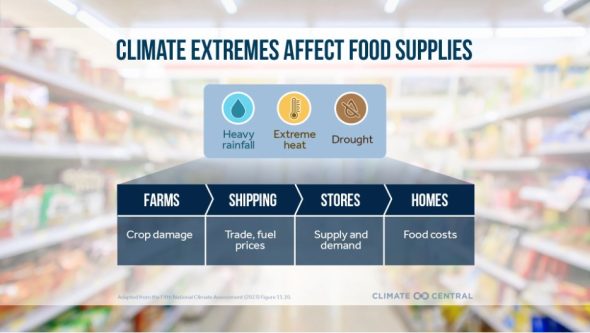
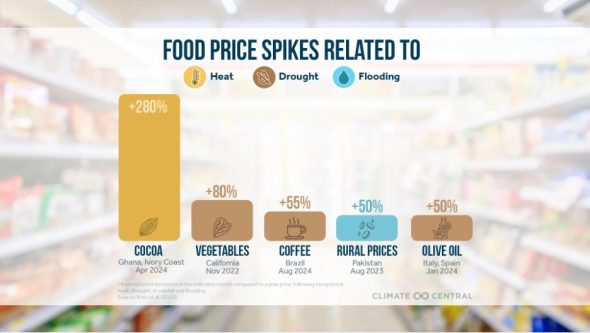
Of all these sectors, agriculture is the most vulnerable to climate crisis. This is seriously bad news. Increased heat, drought, and flooding will reduce crop yields, impacting our food supply. Lost yield will cause prices to rise, and disrupt marketplaces in the US and around the world. Crops will also be affected by less water availability, increased pests and weeds, and fire risk. Prices will increase and be passed along to consumers.
Northwestern University assistant professor of economics Adrien Bilal says climate change will “profoundly affect our lives and livelihoods.” He believes economic damages from climate crisis are probably six times worse than previously estimated. Recent studies show that a shift to a higher temperature significantly reduces GDP. A 50 percent decline in 2100 GDP would be a loss of $56 trillion per year. This translates to “a 31 percent drop in purchasing power relative to a world without climate change,” said Bilal. Such losses are “comparable to living in the 1929 Great Depression forever,” he says.
Bilal is not the only one sounding the alarm. PIK scientist Leonie Wenz says, “Our analysis shows that climate change will cause massive economic damages within the next 25 years in almost all countries around the world, even in highly-developed ones such as Germany, France and the United States.”
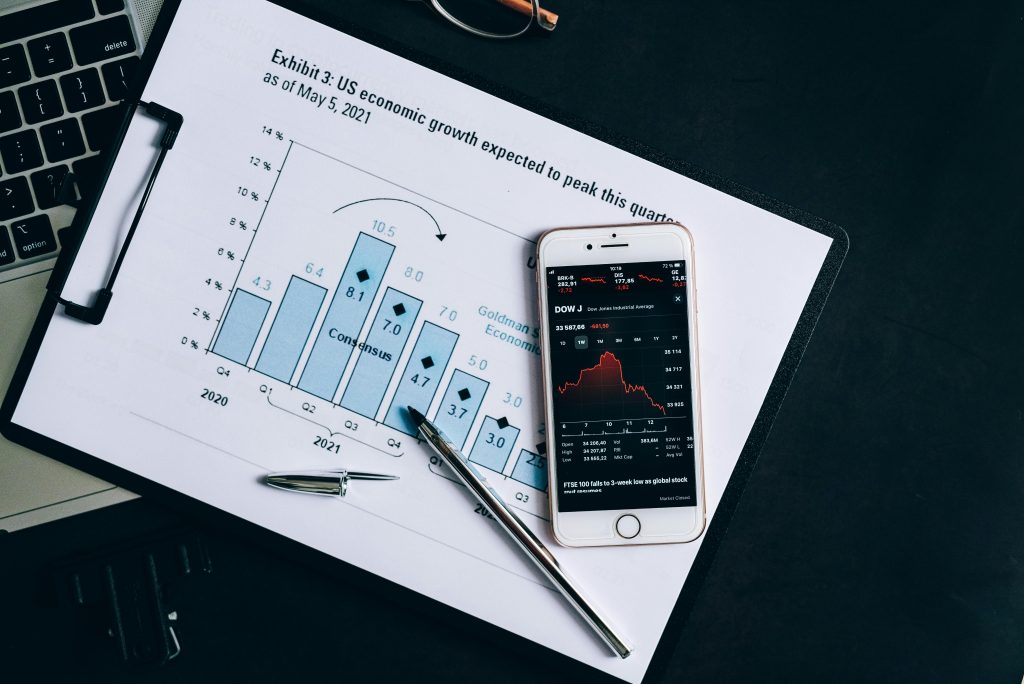
The actual cost of climate damages goes way beyond estimating lost GDP. Just looking at GDP doesn’t take into consideration stress, trauma, and lost cultural and natural resources that climate crisis also costs us. Many studies have found that preventing future climate change is much less costly than suffering its costly damages. So why are we not acting like our hair is on fire?
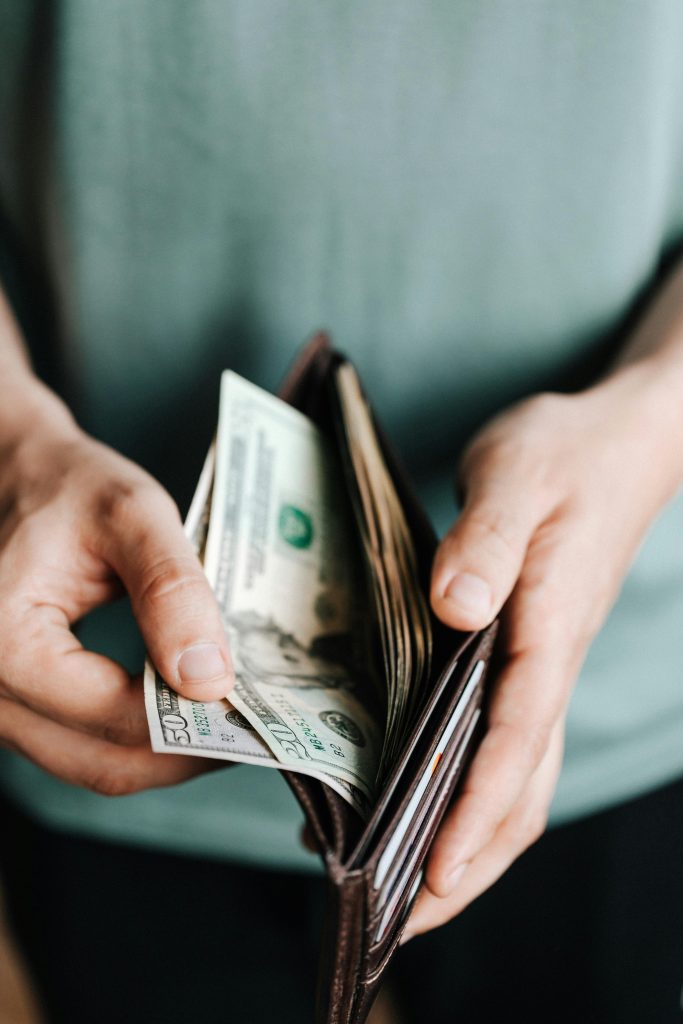
How does this impact you? The cost of everything will continue to go up dramatically. Think food, clothing, housing, insurance, health care, cars, and goods and services. And then there’s the stress and trauma of living in a disintegrating climate.
Transition Town Greater Media has been working on climate mitigation and adaptation since 2009. Contact us to find out how you can help. Do it now.
Ai was not used in the creation of this blog.
Leave a Reply